

When planning an extension, new build or any major property alteration, it’s crucial to understand how planning permission and building control differ. While they’re closely linked within the construction process, each serves a distinct role in ensuring your project is both lawful and safe. Misunderstanding the two can lead to costly delays, failed inspections or even having to undo completed work. Knowing how they interact helps you plan efficiently, meet all necessary approvals and keep your project running smoothly from concept to completion.
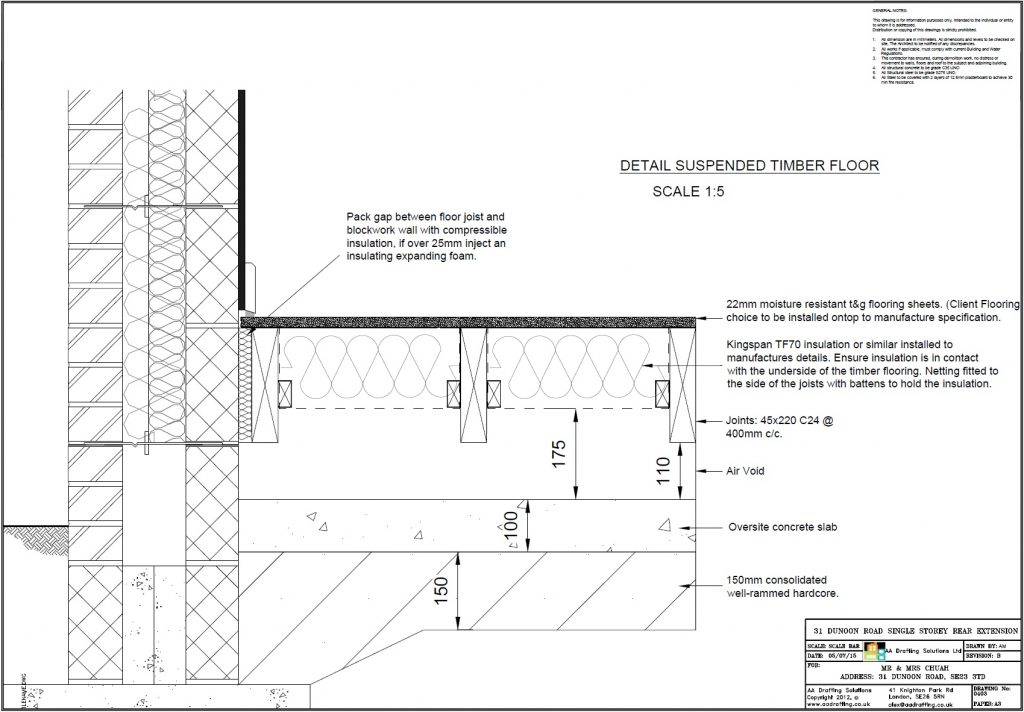
Planning Permission: Managing Land Use and Appearance
The planning permission process focuses on how land and buildings are used, the appearance of buildings, and the impact on the surrounding area. It comes under the responsibility of your local planning authority — usually the local council — and is governed by national and local planning policies.
It is likely that you will need planning permission if you are:
- Proposing a new building
- Changing the use of land
- Altering the appearance of buildings
- Making internal alterations that affect the structure or layout in a significant way
The planning application you are seeking may also require additional consents, such as listed building consent, if the property is protected.
During the planning stage, the authority considers the following:
- The appearance of buildings
- The general environment
- Landscaping considerations
- Whether the proposed development complies with local planning policies
The process includes public consultation in some cases and aims to balance the development needs with environmental and community interests.
Certain smaller projects fall under permitted development rights, which means you don’t need planning permission. However, if you are in doubt about whether planning permission is required, it’s essential to check with your local planning authority or the government’s planning portal.
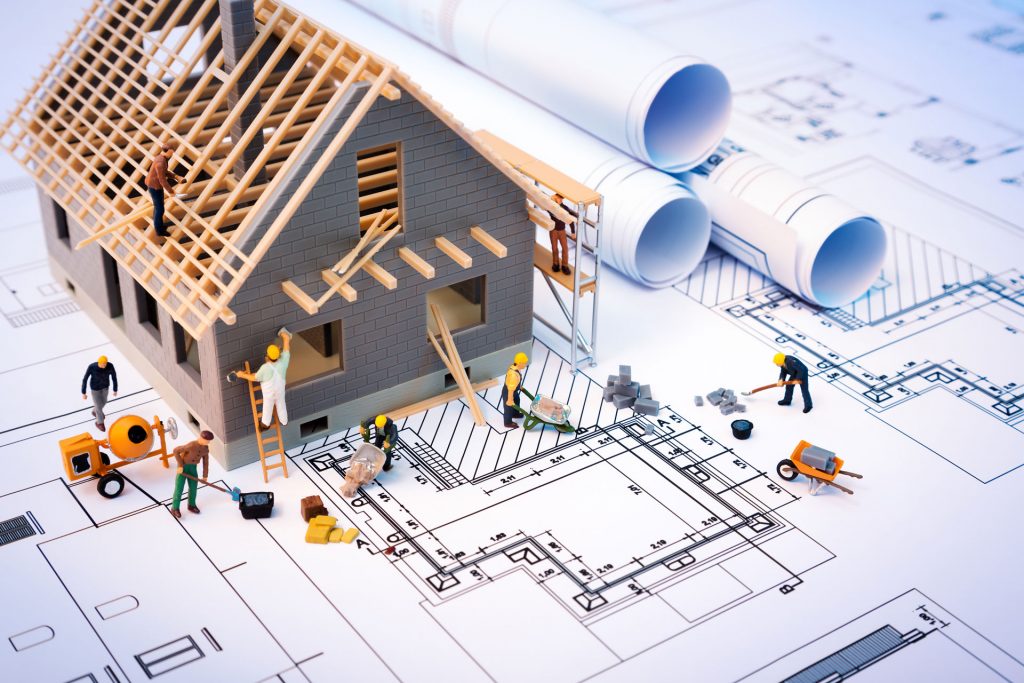
Building Control: Meeting Safety and Construction Standards
Building control covers the standards of the design and construction of buildings, whereas planning permission controls the principle of development and appearance. Building regulations set minimum standards to ensure the health and safety of people in and around the building.
These standards address the essential elements of construction work, such as:
- Structural stability
- Fire safety
- Weather resistance
- Energy efficiency
The local council’s building control team, or approved private building control body, will check and approve the details of your development to ensure it complies with the building regulations. Even if you don’t need planning permission, you may still need building regulation approval for the work covered by the regulations.
Building control ensures that your project is checked and approved for compliance with the required standards at every stage. This includes everything from internal alterations to the construction of new buildings. The aim is to ensure the health and safety of the people, protect the structural integrity of buildings, and maintain minimum standards for design and construction.
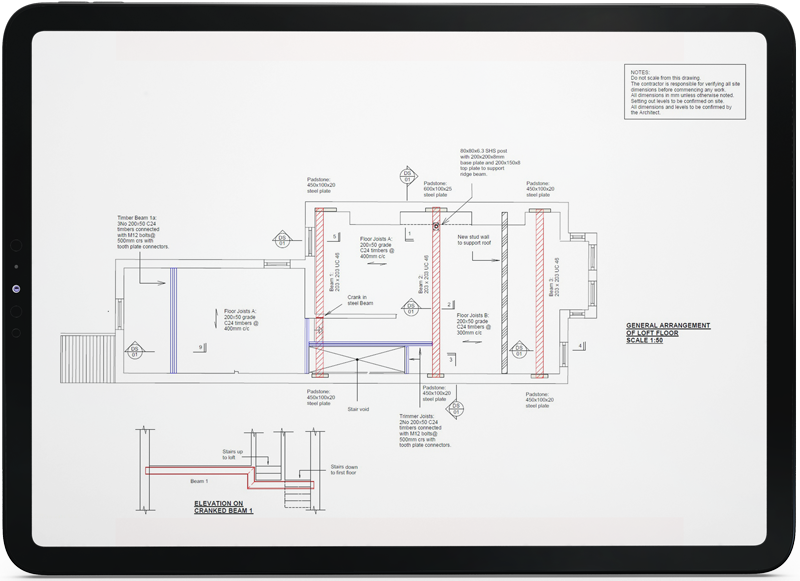
Planning Permission and Building Control: A Quick Recap
The difference between planning permission and building control can be summarised as follows:
- Planning permission is about whether you can carry out the development, considering the use of land, the appearance of the buildings and the impact on the local area.
- Building control is about how development is designed and constructed to ensure compliance with the health, safety and quality standards.
Put simply, planning permission deals with the form of permission for the proposed development, whereas building control covers the construction details and compliance with the standards of construction.
Do You Need Both Approvals?
Many projects, such as an extension, require both planning permission and building regulation approval. Since each process is handled by a different department, you’ll often need two applications and two separate fees.
Take a home extension as an example: the planning team would review the proposal for its impact on neighbours and the local area, while the building control team would check the construction work to make sure it meets safety and regulatory standards.
Even if planning permission is not required, the work may still need building regulation approval to ensure the health and safety of people and compliance with the minimum standards set out in the building regulations.
Ensuring a Smooth Process for Both Planning and Building Control
If you are still unsure about whether you need planning permission for your project, or whether you require building regulations approval, seeking professional guidance is recommended. Experts can help you to make a planning application, prepare your building submission and ensure a smooth process in the planning and building control stages.
Working with professionals ensures the details of your development are checked and approved to comply with all regulations, helping you to carry out development legally, safely and efficiently.
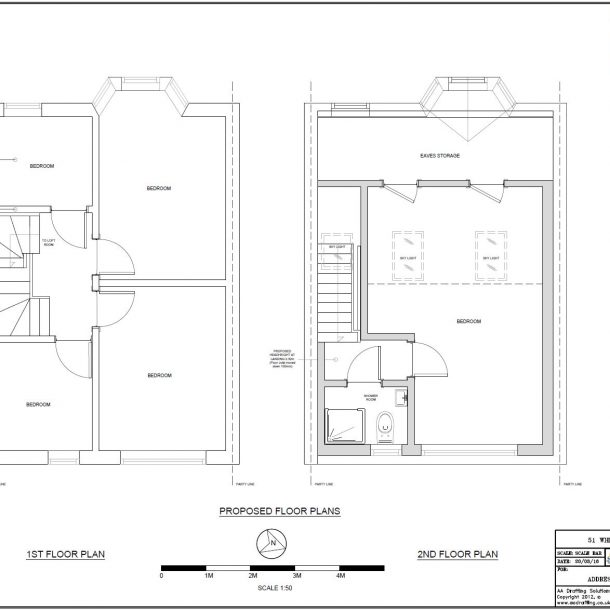

Contact
Office Address
3-7 Sunnyhill Rd
Streatham Wells
Lambeth
London SW16 2UG
Opening Hours
Mon — Thurs — 9am – 6pm
Fri — 9am – 5pm
Sat — 9am – 2pm
Sun — Closed
Fri — 9am – 5pm
Sat — 9am – 2pm
Sun — Closed



This website uses cookies to improve your experience. We'll assume you're ok with this, but you can opt-out if you wish. Cookie settingsACCEPT
Privacy & Cookies Policy
Privacy Overview
This website uses cookies to improve your experience while you navigate through the website. Out of these cookies, the cookies that are categorized as necessary are stored on your browser as they are essential for the working of basic functionalities of the website. We also use third-party cookies that help us analyze and understand how you use this website. These cookies will be stored in your browser only with your consent. You also have the option to opt-out of these cookies. But opting out of some of these cookies may have an effect on your browsing experience.
Necessary cookies are absolutely essential for the website to function properly. This category only includes cookies that ensures basic functionalities and security features of the website. These cookies do not store any personal information.
Any cookies that may not be particularly necessary for the website to function and is used specifically to collect user personal data via analytics, ads, other embedded contents are termed as non-necessary cookies. It is mandatory to procure user consent prior to running these cookies on your website.
Loading...
Loading...