
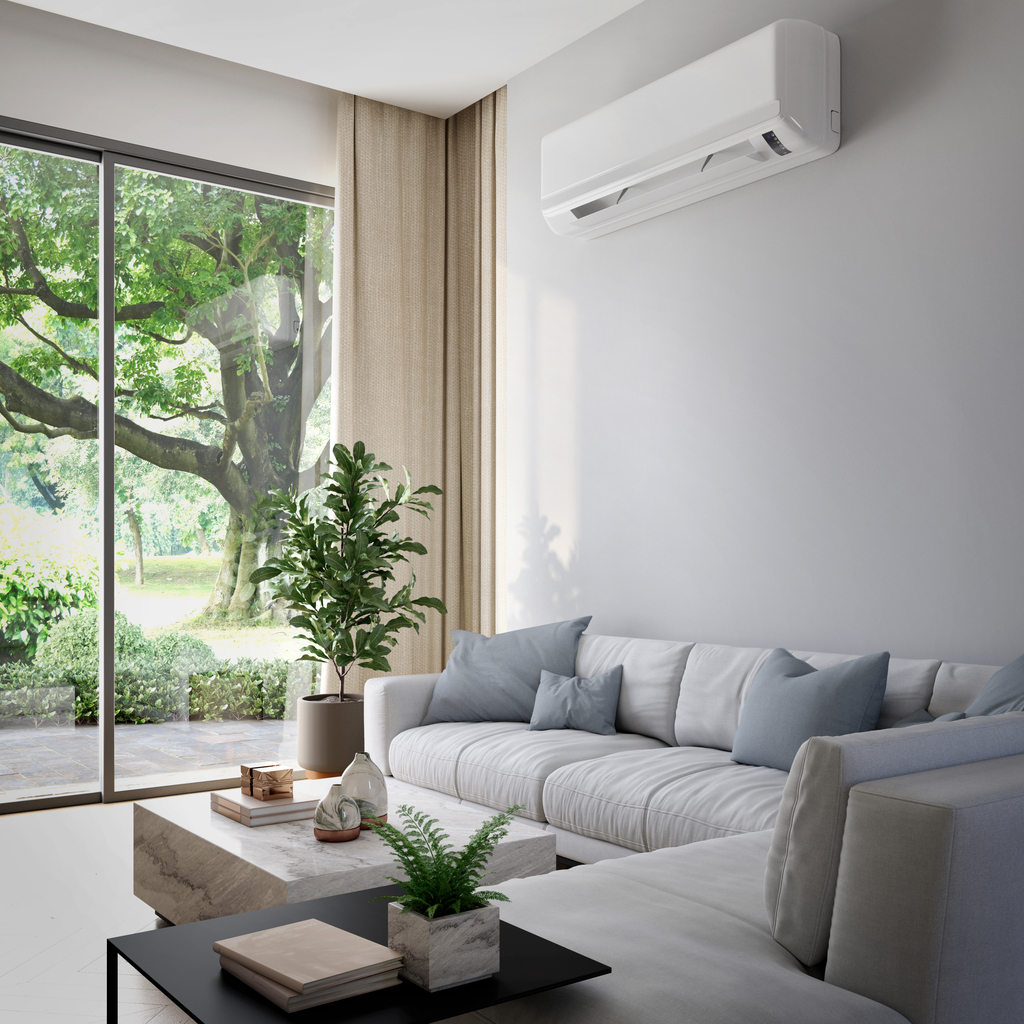
Installing air conditioning at home makes everyday life more comfortable, especially during warmer months. It helps keep indoor temperatures more consistent, makes bedrooms easier to sleep in and creates a more pleasant environment for working from home. Many modern systems also provide heating, air filtration and humidity control, giving homeowners more flexibility throughout the year.
Before arranging an installation, it is worth checking a few important details. These include whether planning permission is needed, where the external unit will be positioned, how noise may affect neighbours and whether the property has any restrictions, such as being listed or located in a conservation area.
Why are more homeowners choosing air conditioning?
Air conditioning was once mostly associated with commercial buildings, but it is becoming much more common in UK homes. Warmer summers, changing weather patterns and more people working from home have made comfortable indoor temperatures a bigger priority for many households.
Domestic air conditioning helps improve everyday comfort, especially in rooms that become difficult to use during warmer weather. Bedrooms, loft conversions, extensions and home offices often benefit most, as these spaces tend to hold heat or need to stay comfortable for longer periods of the day.
Modern systems also do much more than cool a room. Many now work as air-to-air heat pumps, providing efficient heating in colder months as well as cooling in summer. This makes air conditioning a more flexible option for year-round comfort.
The UK Government has also highlighted overheating in homes as an increasing consideration when designing comfortable, resilient buildings. Good ventilation, airflow, temperature control and moisture management all play an important role in creating healthier and more comfortable indoor environments.
Do you need planning permission for air conditioning?
Whether air conditioning needs planning permission depends on the type of system, the property and where the external unit will be placed. Some installations may fall under permitted development rights, especially where the system also provides heating through air-source heat pump technology. Cooling-only systems, listed buildings, flats, conservation areas and more visible external units often need closer checks.
Homeowners should always check the planning position before installation rather than assuming every system is automatically exempt. For detailed guidance, see our blog about air conditioning planning permission, including the factors councils consider before approving installations.
| Factor | Why it matters |
|---|---|
| External unit location | Can affect appearance and neighbouring properties. |
| Listed building status | Additional consent may be required. |
| Conservation areas | Extra restrictions may apply. |
| Noise levels | May affect neighbours and planning decisions. |
| Type of system | Cooling-only and heating/cooling systems may have different requirements. |
The Planning Portal provides guidance on planning permission for air conditioning installations and explains why homeowners should check requirements before starting work.
Important note: Planning permission and building regulations are not the same.
A project may not require planning permission but may still need to meet relevant building requirements. Understanding the difference can help homeowners avoid delays and unexpected issues during improvement projects. Read our guide explaining the difference between planning permission and building control.
The main benefits of air conditioning at home
1. Maintain a comfortable temperature throughout the year
One of the biggest benefits of having air conditioning at home is better control over indoor temperatures. During hot weather, it keeps rooms more comfortable, especially in south-facing rooms, loft spaces and modern homes with large areas of glazing.
Rather than relying only on open windows or fans, a professionally installed system maintains a preferred temperature more consistently. This helps create a calmer, more comfortable home environment throughout the warmer months.
| Home area | Potential benefit |
|---|---|
| Bedrooms | Creates a cooler sleeping environment during warm nights. |
| Home offices | Helps maintain comfort and concentration while working. |
| Living rooms | Provides a more comfortable space for family use. |
| Loft conversions | Helps manage rooms that often overheat. |
2. Better sleep during warmer nights
Hot bedrooms make comfortable sleep much harder, especially during summer heatwaves. Among the main home air conditioning benefits is the ability to create a cooler, more comfortable sleeping environment. Bedroom air conditioning helps maintain a consistent temperature overnight, making bedrooms more pleasant when outside temperatures stay high.
3. A more comfortable home office environment
As remote working becomes more common, the comfort of a home office matters more than ever. When a room becomes too warm, it affects concentration, comfort and how easily the space can be used throughout the day. Air conditioning for home offices creates a more comfortable working environment, particularly in sunny rooms, converted spaces or areas of the home with limited natural ventilation.
4. Better humidity control
Humidity plays a big part in how comfortable a room feels. Modern air conditioning systems manage moisture levels by removing some humidity from indoor air during the cooling process. This makes rooms feel more comfortable during warm, humid weather. However, air conditioning should work alongside proper ventilation, especially where there are existing moisture or condensation issues.
UK Government guidance also highlights the importance of suitable ventilation for supporting indoor air quality and reducing moisture-related problems in the home.
5. Heating as well as cooling
Many modern air conditioning systems provide both cooling and heating, making them useful throughout the year. Air-to-air heat pump systems offer an additional heating option in colder months while also improving comfort during summer.
What should you check before installing home air conditioning?
Before choosing a system, homeowners should consider more than just the cooling capacity. The location of the external unit, property restrictions and planning requirements can all affect whether installation is suitable.
Installation checklist
- Identify which rooms need cooling.
- Check the best position for internal units.
- Consider where the external condenser unit will be placed.
- Check whether planning permission may be required.
- Consider noise impact on neighbours.
- Check if the property is listed or in a conservation area.
- Confirm compliance with relevant building requirements.
External Air Conditioning Units: Planning, Noise and Neighbour Considerations
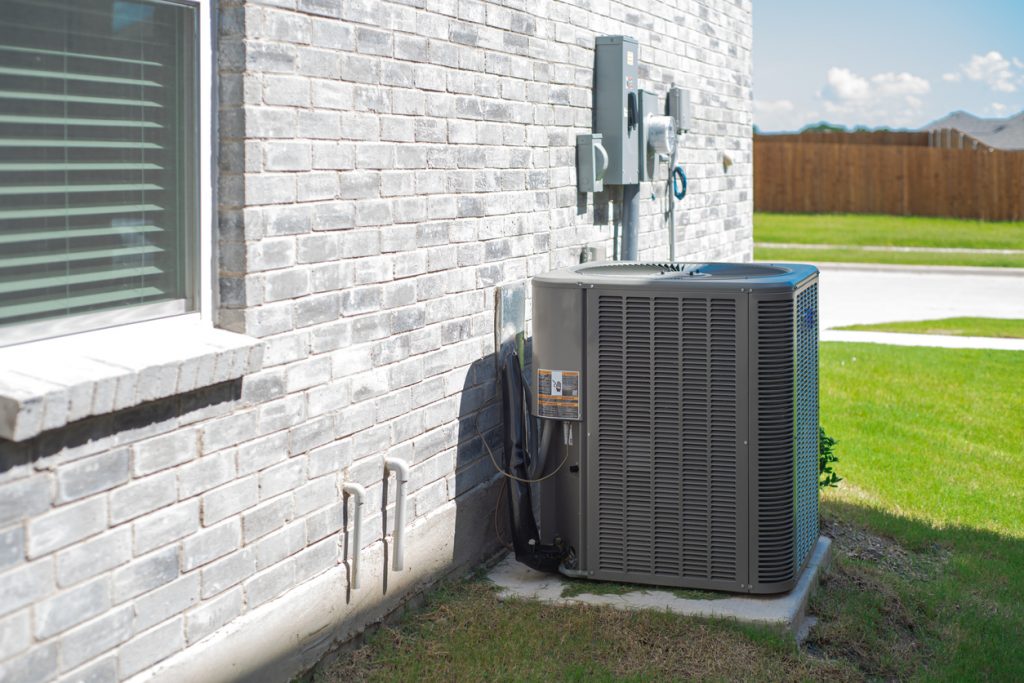
External air conditioning units are often the main planning consideration when installing air conditioning at home. Although the condenser is a practical part of the system, its position can affect the appearance of the property, the comfort of neighbouring homes and how easily the installation is accepted from a planning perspective.
Before installation, homeowners should consider:
- Whether the unit will be visible from the street.
- How it may affect the appearance of the building.
- Whether there is enough airflow around the unit.
- How close it is to neighbouring properties.
- Whether it is positioned near bedrooms or living spaces.
- Whether the property has additional restrictions, such as being listed or located in a conservation area.
Noise is also an important consideration for residential installations. Modern systems are designed to operate quietly, but poor positioning can still create unnecessary concerns. A suitable installation should take account of the manufacturer’s noise ratings, the distance from nearby homes, the position of sensitive rooms and whether screening could help reduce visual impact. Where there are concerns, a noise assessment or additional supporting information may be needed as part of the planning process.
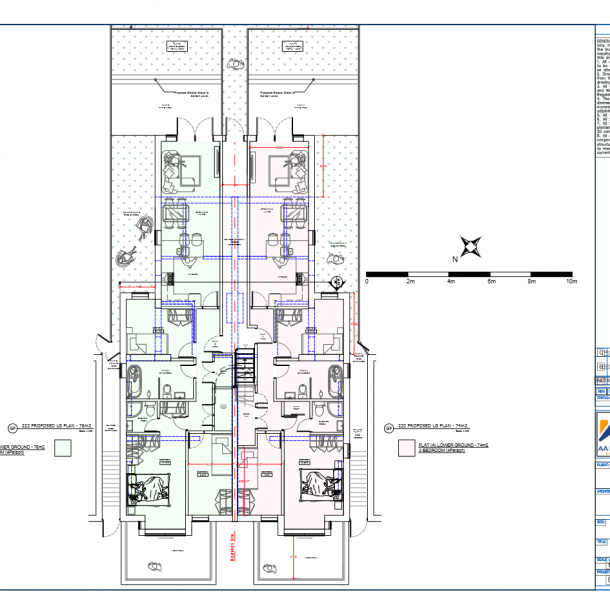
Air conditioning planning permission vs building regulations
Planning permission and building regulations are separate areas of compliance. A project may not require planning permission but may still need to meet relevant building requirements. Understanding the difference can help homeowners avoid delays and unexpected issues during improvement projects.
Read our guide explaining the difference between planning permission and building control.
When should you get professional planning advice?
Getting advice before installation helps identify potential planning issues early, especially for properties with restrictions or where an external unit may affect the appearance of the building.
A planning specialist helps homeowners understand whether planning permission is needed, what information the council may ask for, how the external unit should be positioned and whether drawings or supporting documents are required.
For homeowners in London and the surrounding areas, AA Drafting Solutions provides local architectural planning help to support residential planning applications. If you are considering air conditioning installation and need guidance on planning requirements, our team provides professional advice tailored to your property.

Contact
Office Address
3-7 Sunnyhill Rd
Streatham Wells
Lambeth
London SW16 2UG
Opening Hours
Mon — Thurs — 9am – 6pm
Fri — 9am – 5pm
Sat — 9am – 2pm
Sun — Closed
Fri — 9am – 5pm
Sat — 9am – 2pm
Sun — Closed



This website uses cookies to improve your experience. We'll assume you're ok with this, but you can opt-out if you wish. Cookie settingsACCEPT
Privacy & Cookies Policy
Privacy Overview
This website uses cookies to improve your experience while you navigate through the website. Out of these cookies, the cookies that are categorized as necessary are stored on your browser as they are essential for the working of basic functionalities of the website. We also use third-party cookies that help us analyze and understand how you use this website. These cookies will be stored in your browser only with your consent. You also have the option to opt-out of these cookies. But opting out of some of these cookies may have an effect on your browsing experience.
Necessary cookies are absolutely essential for the website to function properly. This category only includes cookies that ensures basic functionalities and security features of the website. These cookies do not store any personal information.
Any cookies that may not be particularly necessary for the website to function and is used specifically to collect user personal data via analytics, ads, other embedded contents are termed as non-necessary cookies. It is mandatory to procure user consent prior to running these cookies on your website.
Loading...
Loading...